
Understanding what a roof replacement costs is one of the first things homeowners want to know when they start thinking about this significant home improvement project. The honest answer is that the cost varies considerably based on multiple factors, and any specific price quoted without a professional inspection of your home is just a guess. At Allstate Roofing, we believe in complete transparency around pricing. Here's a thorough breakdown of the factors that influence roof replacement costs in Maine.
 Same-Day Quotes
 Repairs From $250
 350+ Five Star Reviews
 Licensed & Insured
 Free Estimates
 Serving Since 2015
Same-Day Quotes
Repairs From $250
350+ Five Star Reviews
Licensed & Insured
Free Estimates
Serving Since 2015
Same-Day Quotes
Repairs From $250
350+ Five Star Reviews
Licensed & Insured
Free Estimates
Serving Since 2015
Same-Day Quotes
Repairs From $250
350+ Five Star Reviews
Licensed & Insured
Free Estimates
Serving Since 2015
Serving Since 2015
Same-Day Quotes
Repairs From $250
350+ Five Star Reviews
Licensed & Insured
Free Estimates
Serving Since 2015
Same-Day Quotes
Repairs From $250
350+ Five Star Reviews
Licensed & Insured
Free Estimates
Serving Since 2015
Same-Day Quotes
Repairs From $250
350+ Five Star Reviews
Licensed & Insured
Free Estimates
Serving Since 2015
Roof Size
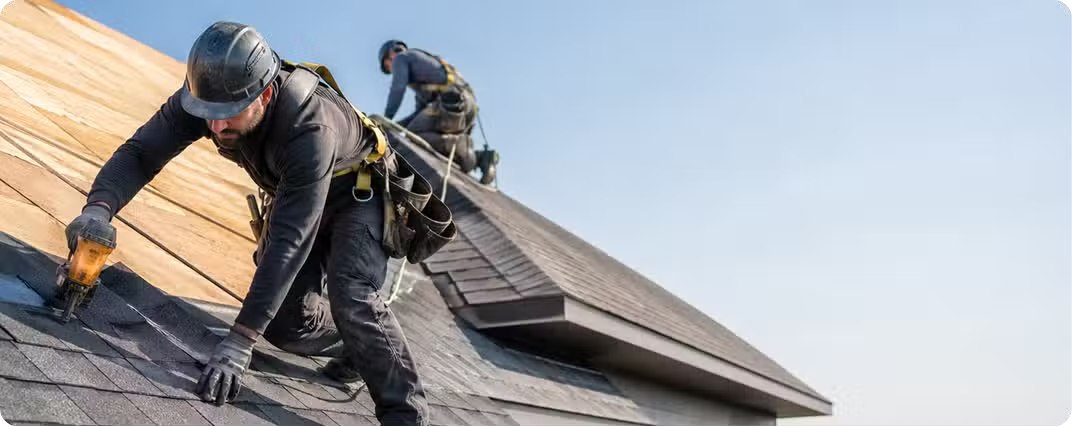
Roofing is measured in squares, with one square equaling 100 square feet of roof surface area. The total size of your roof is the primary driver of cost, as both material quantities and labor hours scale directly with it. A small ranch-style home might have 15 to 20 squares of roof area, while a larger two-story home could have 30 to 40 squares or more.
Roofing Material
The material you choose has a significant impact on total project cost. Asphalt shingles are the most affordable option, with three-tab shingles at the lower end and premium architectural shingles higher. Metal roofing, slate, and tile all carry higher material costs but deliver substantially longer lifespans. Over a 50-year period, a metal or slate roof may actually cost less than two or three successive asphalt shingle replacements.
Roof Pitch and Complexity
Steeper roofs require more safety equipment, more time, and more skill to work on, all of which add to labor costs. Roofs with complex geometry, multiple valleys, dormers, hips, and many penetrations are also more labor-intensive than simple gable roofs. The more complex the roof, the more labor hours the project requires.
Removal of Existing Materials
Most jurisdictions allow a maximum of two layers of roofing material before a complete tear-off is required. If your existing roof has already been re-roofed over once, the old material must be removed before new roofing can be installed. Tear-off and disposal add meaningful cost to the project.
Deck Repair
When old shingles are removed, the condition of the underlying roof deck becomes visible. Rotted, soft, or otherwise damaged sections of decking must be replaced before new roofing is installed. The amount of deck repair needed is typically unknown until tear-off is complete, and estimates should include a provision for this.
Additional Components
Replacement of flashings, valleys, drip edge, pipe boots, ridge cap, and other roofing components all contribute to total cost. These components should always be replaced when a new roof is installed, not left in place from the old installation.
Labor and material costs in central and eastern Maine reflect regional market conditions. Material freight costs can be higher for rural areas farther from distribution centers. The severity of Maine winters also means that proper installation requirements, including ice-and-water shield, premium underlayment, and enhanced ventilation components, add to base material costs relative to milder climate markets.
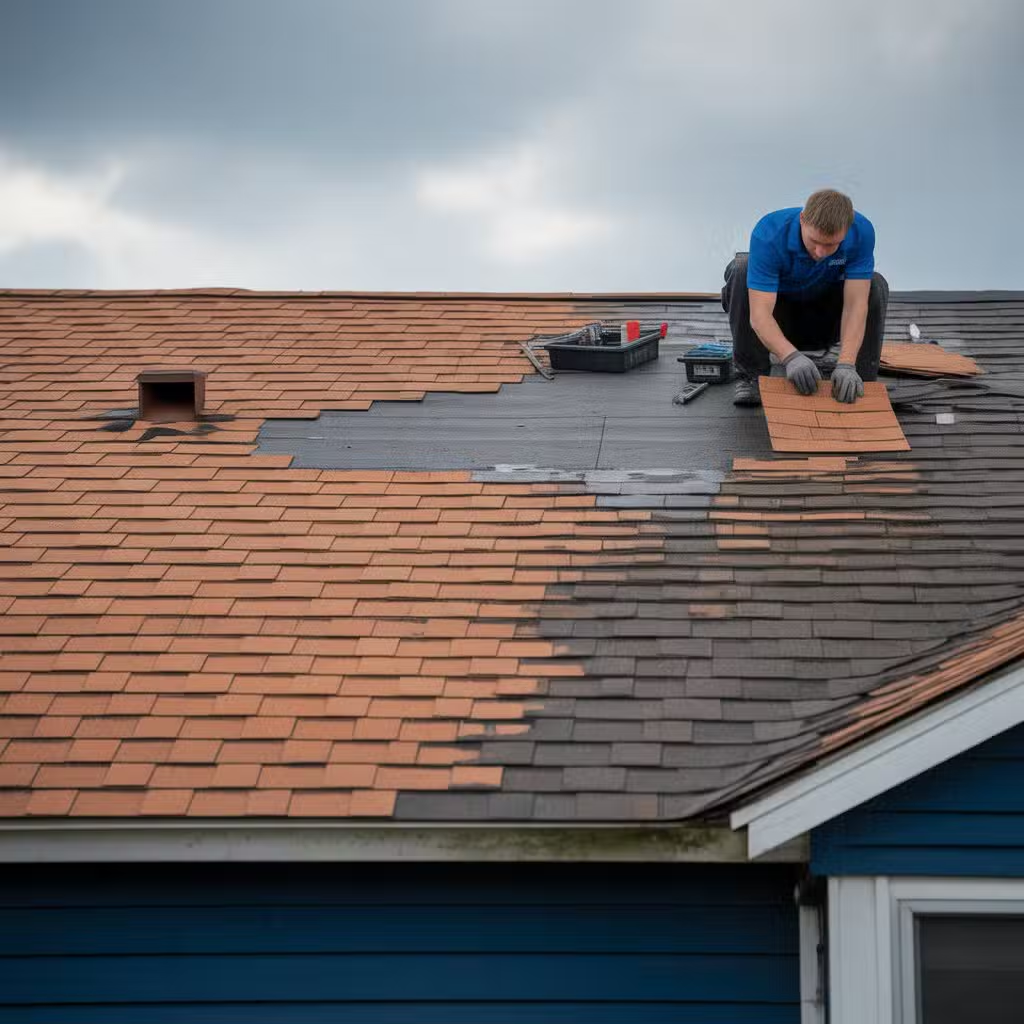
When comparing estimates, it's important to understand what each bid includes. An unusually low bid often indicates fewer components being replaced, lower-grade materials, or less experienced labor. A roof that costs less to install but fails in 10 years instead of 25 is not a bargain. We encourage homeowners to compare estimates line by line and ask detailed questions about what is and is not included.