
One of the most common questions homeowners ask is how long their roof will last. The honest answer depends on several factors: the material used, the quality of installation, the climate the roof is exposed to, and how consistently it's been maintained. At Allstate Roofing, we've inspected and repaired hundreds of roofs across central and eastern Maine, and we understand exactly how Maine's demanding climate affects roofing lifespans. Here's what you need to know.
 Same-Day Quotes
 Repairs From $250
 350+ Five Star Reviews
 Licensed & Insured
 Free Estimates
 Serving Since 2015
Same-Day Quotes
Repairs From $250
350+ Five Star Reviews
Licensed & Insured
Free Estimates
Serving Since 2015
Same-Day Quotes
Repairs From $250
350+ Five Star Reviews
Licensed & Insured
Free Estimates
Serving Since 2015
Same-Day Quotes
Repairs From $250
350+ Five Star Reviews
Licensed & Insured
Free Estimates
Serving Since 2015
Serving Since 2015
Same-Day Quotes
Repairs From $250
350+ Five Star Reviews
Licensed & Insured
Free Estimates
Serving Since 2015
Same-Day Quotes
Repairs From $250
350+ Five Star Reviews
Licensed & Insured
Free Estimates
Serving Since 2015
Same-Day Quotes
Repairs From $250
350+ Five Star Reviews
Licensed & Insured
Free Estimates
Serving Since 2015
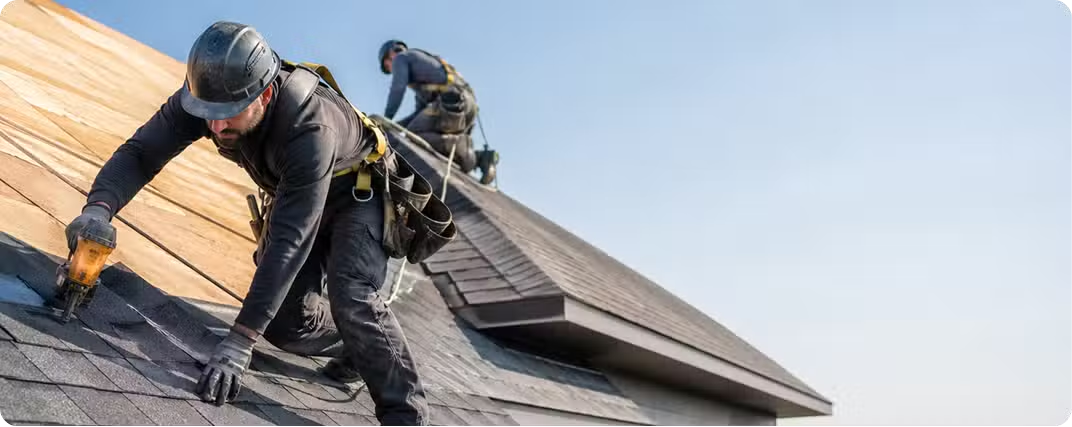
Asphalt Shingles
Three-tab asphalt shingles: 15 to 25 years. Architectural (dimensional) shingles: 25 to 30 years. Premium architectural and designer shingles: 30 to 40 years. Asphalt shingles are by far the most common residential roofing material, and their lifespan is significantly influenced by attic ventilation, installation quality, and the severity of the local climate. In Maine, freeze-thaw cycling accelerates aging, making quality installation and maintenance more impactful than in milder climates.
Metal Roofing
Corrugated metal and exposed-fastener panels: 25 to 40 years. Standing seam metal roofing: 40 to 70 years. Copper and zinc: 70 to 100+ years. Metal roofing is one of the longest-lasting options available and performs exceptionally well in Maine's climate. Its ability to shed snow, resist moisture absorption, and withstand temperature extremes makes it a particularly strong choice for the region.
Wood Shake and Cedar Shingles
20 to 40 years with proper maintenance. Wood roofing in Maine's damp climate requires consistent maintenance, including cleaning, treatment, and periodic replacement of individual deteriorated pieces. Neglected wood roofs can fail significantly sooner.
Slate Roofing
Soft slate: 50 to 125 years. Hard slate: 75 to 200 years. Natural slate is the longest-lasting roofing material available. Many original slate roofs on historic Maine homes are still serviceable after 100 years. Longevity depends on the grade of slate selected and the quality of the installation and ongoing care.
Tile Roofing
Clay tile: 50 to 100+ years. Concrete tile: 40 to 50 years. Tile's longevity is outstanding, though underlayment beneath tile typically requires replacement before the tiles themselves fail. Regular inspection and maintenance of the waterproofing system beneath tile is important.
Flat Roofing Systems
EPDM rubber membranes: 20 to 30 years. TPO membranes: 15 to 25 years. Modified bitumen: 20 to 30 years. Built-up roofing: 20 to 30 years. Flat roofing lifespans are strongly influenced by drainage, foot traffic, and maintenance quality. Regular inspection and prompt repair of any seam or membrane issues extend these lifespans considerably.
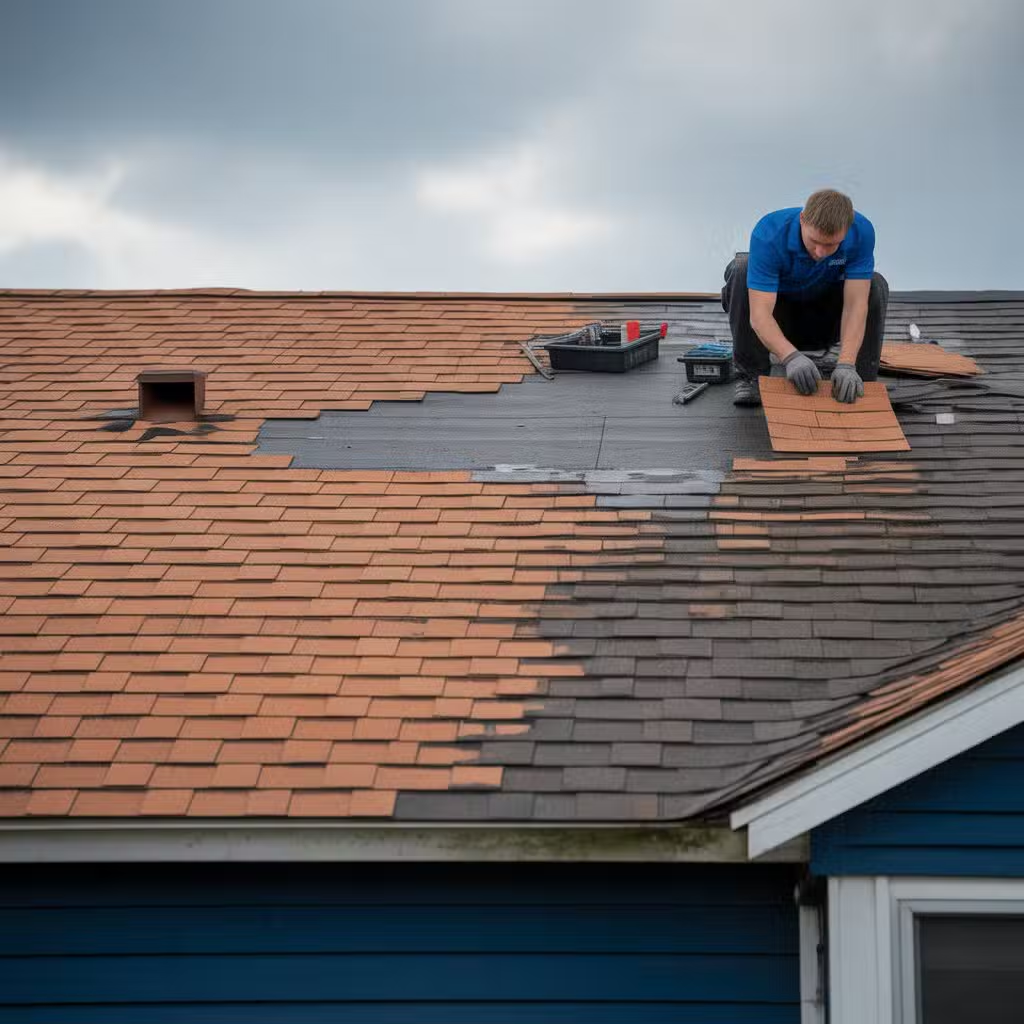
Schedule annual or bi-annual professional inspections to catch emerging issues early. Keep gutters clean and draining freely to prevent water backup and ice dam conditions. Address repairs promptly rather than allowing small issues to grow. Ensure attic ventilation is properly balanced. Keep trees trimmed away from roof surfaces to reduce debris accumulation and branch impact risk. And when the time comes for replacement, choose quality materials and a qualified contractor.